Kerala Food in Singapore: A Guide to Kerala Cuisine
Discover the flavours of Kerala, from coconut rich curries and coastal seafood to traditional rice pancakes, breads and vegetable dishes.
Kerala cuisine is known for its fragrant spices, coconut based preparations, fresh seafood and vast regional cooking traditions. Whether you're exploring kerala style seafood dishes, Kerala style curries or learning about staples such as appam and kappa, this guide introduces the dishes and flavours that make Kerala food distinctive. Discover Kerala cuisine in Singapore with Curry Magic, a family run restaurant in Serangoon serving Indian food since 2008.
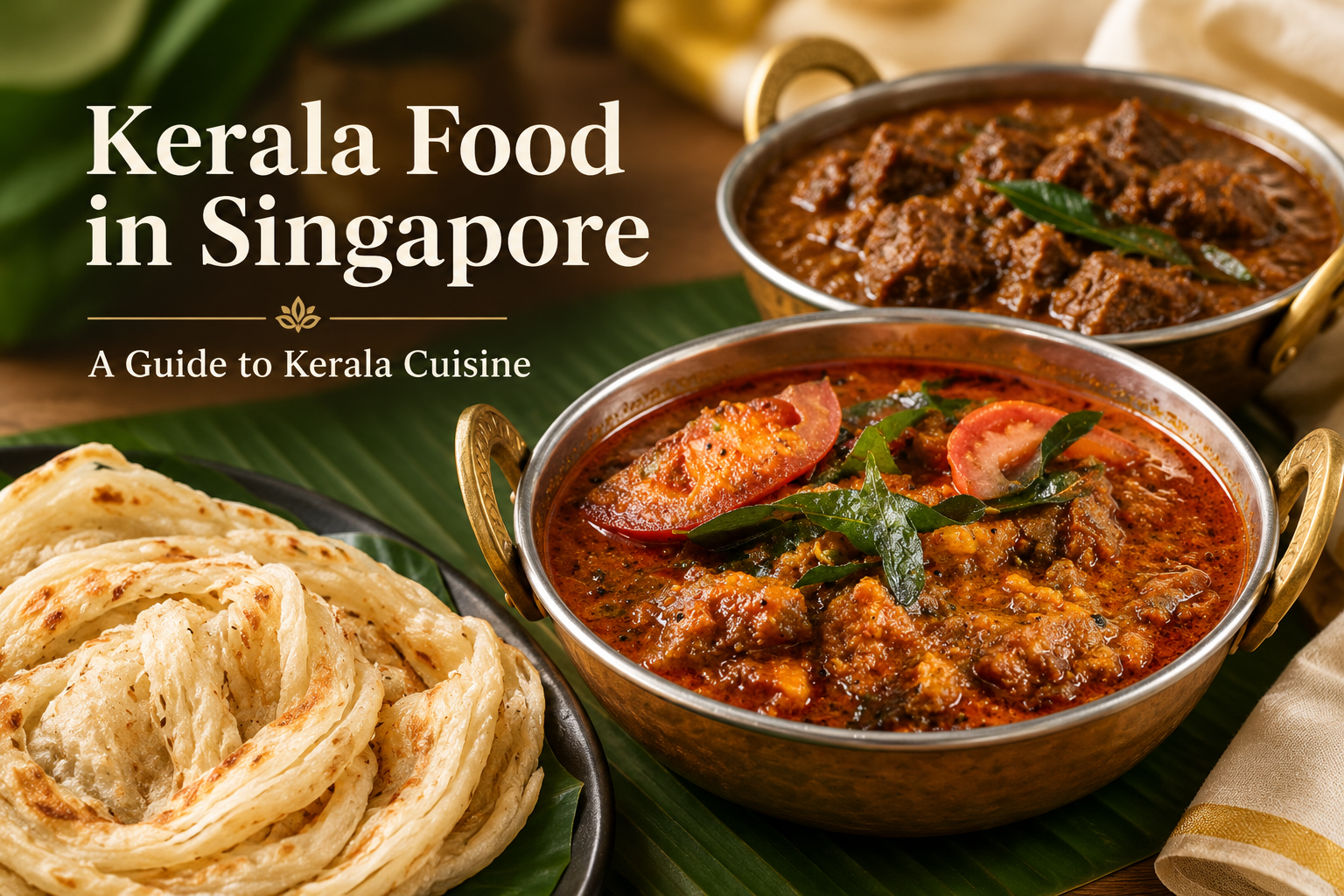
Kerala Food in Singapore: A Guide to Traditional Kerala Cuisine
Kerala, located along the southwestern coast of India, has a food culture shaped by its coastline, tropical climate, agricultural traditions and centuries of cultural exchange from its trade ports. From seafood cooked with aromatic spices to coconut based curries, fermented rice pancakes and vegetable preparations, Kerala cuisine offers a wide variety of flavours and textures.
For those exploring Kerala food in Singapore, understanding the cuisine is a good place to start. Some dishes are rich and deeply spiced, others are tangy or gently flavoured with coconut milk, while many rely on the natural taste of vegetables, seafood and freshly prepared masalas.
At Curry Magic, our connection to Kerala comes from our roots and our approach to cooking. Since 2008, our family run restaurant has been bringing together Kerala specialities and other Indian favourites, with a focus on freshly prepared food and aromatic spices.
Whether you're familiar with Kerala cuisine or trying it for the first time, here are some of the key dishes, ingredients and traditions worth discovering.
What Makes Kerala Cuisine Different?
Kerala cuisine is not defined by a single cooking style. Food varies across the state, with coastal communities, inland regions and different cultural traditions contributing to its diversity.
Nevertheless, several ingredients and techniques appear frequently in Kerala cooking.
Coconut in Different Forms
Coconut is an important ingredient in many Kerala dishes. It can be grated into vegetable preparations, blended into coconut milk for curries, or roasted with spices to create a deeper, more robust masala.
The way coconut is prepared can significantly change a dish's flavour. Coconut milk often provides a smooth, mellow base, while roasted coconut can add a more intense, nutty character.
Aromatic Spices
Black pepper, mustard seeds, turmeric, coriander, chilli, cumin and fenugreek are among the spices used in different Kerala preparations. Curry leaves are also important for their distinctive aroma.
Rather than tasting the same in every dish, these ingredients are combined in different proportions and prepared using different techniques. This is one reason two Kerala curries can have very different flavour profiles.
Seafood and Coastal Cooking
With its long Arabian Sea coastline, Kerala has a strong seafood tradition. Fish, prawns and squid feature in a variety of preparations, including spicy curries, coconut-based sauces, pan-fried dishes and banana-leaf preparations.
Some dishes emphasise tanginess and spice, while others are milder and creamier. Exploring these differences is one of the easiest ways to discover Kerala cuisine.
Rice, Breads and Everyday Staples
Rice is central to many Kerala meals, but it is not the only staple. Appam, Kerala paratha and kappa, which is cassava, are also enjoyed in different contexts.
These staples contribute different textures to a meal and can complement curries and other preparations in different ways.
Explore the Different Types of Kerala Food
Kerala cuisine is easier to understand when you explore it by dish type. Each category offers a different way to experience the region's ingredients, techniques and flavours.
1. Kerala Seafood: Fish Curries, Grilled Prawns and Squid
Seafood is one of the most distinctive parts of Kerala's food culture. Different preparations bring out different qualities of the ingredients, whether through a spiced curry, a roasted masala or cooking over a hot surface.
Fish Pollichathu is a well-known Kerala-style preparation in which marinated fish is wrapped in a banana leaf and cooked with a spiced masala. The wrapping helps hold the flavours around the fish during cooking.
Other seafood dishes offer a different experience. Alleppey Fish Curry combines fish with green mango and spiced coconut milk, while Fish Moilee uses a coconut milk-based curry with a gentler flavour profile. For those who prefer grilled or dry preparations, prawns and squid can provide a different combination of texture and spice.
At Curry Magic, our seafood menu includes Fish Pollichathu, Spicy Kerala Fish Curry, Alleppey Fish Curry, Fish Moilee, Tawa Grilled Prawns, Fresh Squid Pepper Fry and many more.
Want to discover the differences between these dishes?
Explore our guide to Kerala Seafood in Singapore , covering fish curries, grilled prawns, squid and the flavours behind each preparation.
2. Kerala Curries: Roasted Coconut, Aromatic Spices and Slow Cooking
Kerala curries come in many forms. Some have a thinner, tangy gravy, while others use coconut milk or a roasted coconut masala to create a fuller flavour.
The ingredients and cooking techniques used can make a substantial difference to the final dish.
Varutharacha Chicken Curry, for example, uses a roasted coconut gravy. The roasting process gives the coconut and spices a deeper flavour than a preparation based solely on coconut milk.
Kerala Chicken Curry offers another expression of the cuisine, bringing together chicken, coconut and aromatic spices. Kerala Beef Curry and Kerala Beef Roast demonstrate how the same broad culinary tradition can produce different results through the use of gravy, roasted spices, caramelised onions and other ingredients.
At Curry Magic, these dishes reflect the variety of Kerala inspired cooking available alongside our wider Indian menu.
Interested in exploring different curry styles?
Read our guide to LINK TO KERALA CURRIES AND COOKING STYLE BLOG to understand the differences between coconut-based curries, roasted masala preparations and other regional favourites.
3. Kerala Breads and Staples: Appam, Kappa and Kerala Paratha
A Kerala meal is not just about the curry. The staple served alongside it can change the entire eating experience.
Appam is a fermented rice pancake known for its soft centre and thin, lacy edges. Its mild flavour makes it a natural accompaniment to many curries, particularly preparations with a sauce that can be soaked up by the soft centre.
Kappa, made from cassava, is another familiar Kerala staple. It has a denser texture than appam and is traditionally enjoyed in a variety of combinations, including with fish preparations.
Kerala paratha offers something different again. Made from layered dough, it is cooked on a hot surface to create a flaky texture that works well with a range of curries and meat dishes.
These staples illustrate how the same curry can feel different depending on what it is eaten with.
Want to learn more about Kerala's everyday staples?
Explore our guide to LINK TO KERALA BREAD AND STAPLE BLOG for more on appam, kappa, Kerala paratha and how these foods fit into a meal.
4. Kerala Vegetarian Food: Vegetables, Coconut and Traditional Preparations
Kerala cuisine also has a diverse vegetarian tradition, with dishes that combine vegetables, coconut, spices and other ingredients in different ways.
Aviyal is a traditional preparation featuring mixed vegetables and coconut. Rather than relying on a heavy gravy, it brings together the flavours and textures of the vegetables with a coconut based mixture.
Mushroom Ulli Thiyal takes a different approach, using roasted coconut and spices, with tamarind contributing a tangy element. Mango Mappas offers another combination of flavours through mango, coconut and spices.
These dishes show that Kerala vegetarian food is not limited to simple vegetable sides. It includes a variety of preparations with their own ingredients, textures and flavour profiles.
Vegetarian dishes also play an important role in the traditional Kerala Sadhya, a festive meal served on a banana leaf with a variety of curries, sides, pickles and other accompaniments.
Looking for more vegetarian Kerala dishes?
Discover our guide to LINK TO KERALA VEGETABLE DISHES PREP BLOG , featuring vegetable preparations, coconut based dishes and traditional flavours to explore.
How to Choose Your First Kerala Meal
If you're new to Kerala cuisine, start by thinking about the flavours and textures you enjoy.
If you like seafood, a fish curry or Fish Pollichathu is a good introduction to the variety of coastal preparations. If you prefer richer, roasted flavours, a dish such as Varutharacha Chicken Curry offers a different experience.
There is no single correct way to experience Kerala food. Part of the enjoyment comes from discovering how different ingredients and preparations complement one another.
Discover Kerala Food at Curry Magic in Singapore
At Curry Magic, our connection to Kerala comes from our family roots and our approach to preparing food. Our story began in 2008, and our restaurant brings together Kerala specialities, South Indian favourites and dishes from other Indian culinary traditions.
Our cooking philosophy centres on freshly prepared meals and aromatic spices. We roast and grind spices into masalas in house rather than relying on pre made spice powders, allowing us to build flavour through the ingredients and techniques used in our kitchen.
Located at 15-1 Jalan Riang in Serangoon, Curry Magic welcomes guests who want to explore Kerala cuisine as well as those looking for familiar Indian favourites.
Whether you're interested in a seafood curry, a roasted coconut preparation, a traditional staple or a vegetarian dish, our menu offers several ways to discover the flavours of Kerala.
Ready to explore the menu?
Browse the Curry Magic menu to discover our available dishes, or visit our About Us page to learn more about our restaurant and its story.
Frequently Asked Questions About Kerala Food
1. What is Kerala food known for?
Kerala cuisine is known for its use of coconut, aromatic spices, seafood, rice and a variety of vegetable preparations. Dishes vary by region and cooking technique, ranging from tangy fish curries to coconut based gravies and roasted masala preparations.
2. Is Kerala food always spicy?
No. Some Kerala dishes are hot and heavily spiced, while others have milder, creamier or more balanced flavours. The level of heat depends on the recipe, ingredients and preparation method.
3. What is the difference between Kerala food and North Indian food?
Both cuisines are diverse, but Kerala cooking often makes prominent use of coconut, curry leaves, seafood and certain regional spice preparations. North Indian cuisine includes its own wide range of breads, tandoor dishes, gravies and regional traditions. There is considerable variation within both cuisines, so no single ingredient or technique defines either one.
4. What are some popular Kerala dishes to try?
Dishes worth exploring include Fish Pollichathu, Kerala Chicken Curry, Varutharacha Chicken Curry, Alleppey Fish Curry, Appam, Kappa and Aviyal. The best starting point depends on whether you prefer seafood, meat, vegetarian dishes or traditional staples.
5. Where can I find Kerala food in Singapore?
Curry Magic is a family run Indian restaurant at 15-1 Jalan Riang in Serangoon, Singapore. Its menu includes Kerala inspired seafood, curries, breads, staples and vegetarian dishes, alongside other Indian favourites. Check the current menu for available dishes.